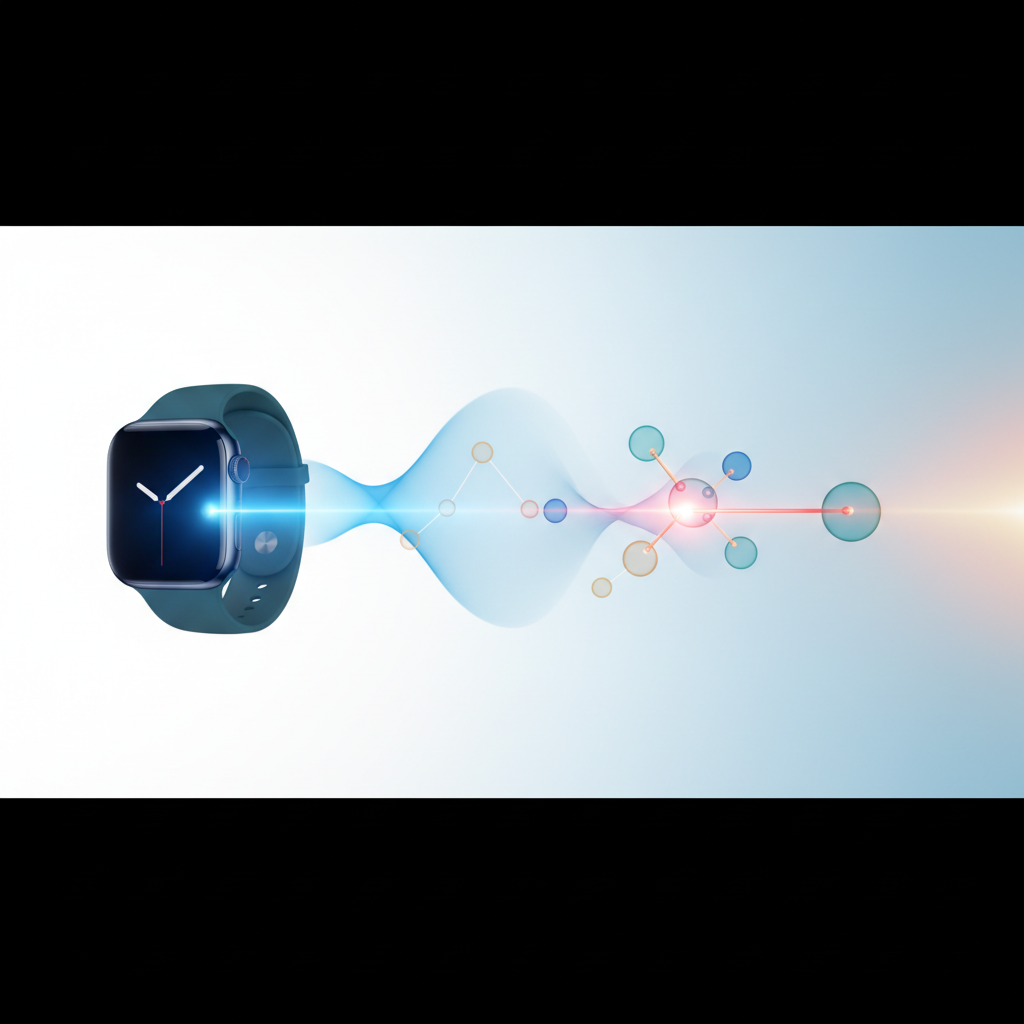
537 million diabetics test blood glucose daily with finger pricks. Apple Watch X might eliminate that—if the tech actually works.
Every day, millions of people with diabetes prick their fingers 5-8 times to test blood glucose.
That's 2,000-3,000 needle stabs per year. Painful. Expensive. Inconvenient. But medically necessary.
Apple has spent 10 years trying to solve this. The Apple Watch X, expected in late 2026, will reportedly include non-invasive blood glucose monitoring.
No needles. No skin sensors. Just optical sensors reading glucose levels through your wrist.
If it works—and that's a massive "if"—it's the biggest health tech breakthrough in a decade.
The Current State of Glucose Monitoring (And Why It Sucks)
537 million people worldwide have diabetes. In the US alone, that's 38 million people.
Most need to monitor blood glucose multiple times per day to: • Adjust insulin doses • Prevent hypoglycemia (dangerous low blood sugar) • Avoid hyperglycemia (long-term damage from high blood sugar) • Track how food, exercise, and stress affect glucose
Method 1: Finger prick glucometers
The traditional method:
- Prick your finger with a lancet
- Squeeze out a drop of blood
- Apply to test strip
- Wait 5-10 seconds for reading
Problems: • Painful (especially after years of repeated pricks) • Fingertips get calloused • Only shows glucose at that exact moment (no trends) • Requires carrying meter, lancets, and strips everywhere • Testing before driving, before meals, before bed = constant interruption
Cost: • Glucometer: €30-50 (one-time) • Test strips: €0.50-1 each • 5 tests/day × 365 days = 1,825 strips/year = €900-1,800/year
Method 2: Continuous Glucose Monitors (CGMs)
Modern solution (Dexcom G7, FreeStyle Libre, Medtronic Guardian): • Small sensor inserted under skin (usually upper arm) • Transmits glucose readings every 1-5 minutes • Lasts 7-14 days, then replace • Shows trends, alerts for highs/lows • Syncs to smartphone
Problems: • Sensor adhesive causes skin irritation for some users • Visible on skin (stigma, self-consciousness) • Expensive: €60-80/month (€720-960/year) • Insurance coverage varies (many plans don't cover it) • Still requires finger prick calibration (some models)
Method 3: Apple Watch X (rumored)
Non-invasive glucose monitoring: • Optical sensors in watch back • Reads glucose through skin (no blood) • Continuous monitoring like CGMs • No recurring sensor costs • Integrated into device you already wear
Cost: • €799 one-time (estimated) • No monthly fees • Breaks even vs CGM in 10-12 months
The question: Can it actually work?
The Technology: Optical Absorption Spectroscopy (And Why It's So Hard)
A professional overseas invoice collection service does more than send reminder emails. Here's the real workflow:
Shine light through skin
LEDs emit specific wavelengths (near-infrared)
Glucose absorbs light
Different wavelengths are absorbed by glucose molecules in blood
Measure reflected light
Photodetectors measure what comes back
Calculate glucose
Algorithm converts absorption patterns to glucose levels
The best agencies don't just chase—they diagnose why you're not getting paid first.
The Business Case: Who Pays €799 for a Watch?
1. Type 1 diabetics (8.4M globally)
• Require insulin multiple times per day • Must monitor glucose constantly • Already use CGMs (if insurance covers it) • Most likely early adopters
2. Type 2 diabetics (529M globally)
• Some need insulin, others manage with medication/diet • Many use finger prick meters (CGMs too expensive) • Would benefit from continuous monitoring • Price-sensitive (many are older, on fixed incomes)
3. Pre-diabetics (374M globally)
• Elevated glucose but not diagnosed • Don't currently monitor • Could prevent progression with lifestyle changes • Apple Watch makes monitoring accessible
4. Health-conscious non-diabetics
• Want to optimize diet, performance • Track glucose spikes from food • Willing to pay for data • "Quantified self" market
The Regulatory Gauntlet (And Why Launch Will Be Limited)
Class II medical device
Note(same as CGMs): • Clinical trials proving accuracy • Comparison against lab-grade glucose meters • Safety testing (ensure it doesn't harm users) • Labeling review (what claims Apple can make) • Post-market surveillance (ongoing accuracy monitoring)
Point 2
Important• Requires conformity assessment under Medical Device Regulation (MDR) • Clinical evaluation report • Technical documentation • Notified body review
This is educational information only. Consult qualified California counsel for specific compliance requirements.
Key Takeaways
- Apple Watch X will reportedly include non-invasive blood glucose monitoring using optical sensors
- 537 million diabetics worldwide currently rely on finger pricks (2,000-3,000/year) or CGM sensors (€720-960/year)
- Apple has worked on optical absorption spectroscopy for glucose since 2014, acquiring startups and hiring biomedical PhDs
- FDA approval required for medical device claims; expect US launch first with gradual global rollout
- €799 one-time cost vs €720-960/year for CGMs makes it economically compelling if accuracy is FDA-grade
Conclusion
Non-invasive glucose monitoring is the holy grail of diabetes tech. Every major company has tried. All have failed.
Apple has advantages: • 10 years of R&D (longer runway than competitors) • Hardware integration (sensors, processors, algorithms all in-house) • Massive user base (economies of scale for personalization) • Regulatory experience (ECG, AFib detection approvals)
But physics doesn't care about Apple's advantages. Reading glucose through skin is genuinely hard.
If they pull it off, Apple Watch becomes essential for 537 million diabetics. It shifts from fitness tracker to medical device. Insurance covers it. Doctors prescribe it.
If they don't, it's the biggest health tech disappointment since Google Glass.
We'll know in 2026. Until then, it's the most important unconfirmed feature in wearable tech.
For diabetics, the stakes are higher than any other Apple feature. This isn't about convenience. It's about daily pain, annual costs, and life-long disease management.
If Apple Watch X delivers, it's worth every cent of €799.
Follow Apple Watch X glucose monitoring updates. If it works, it changes everything for 537M diabetics worldwide.

Sarah Lindberg
International Operations Lead
Sarah coordinates our global partner network across 160+ countries, ensuring seamless cross-border debt recovery.